



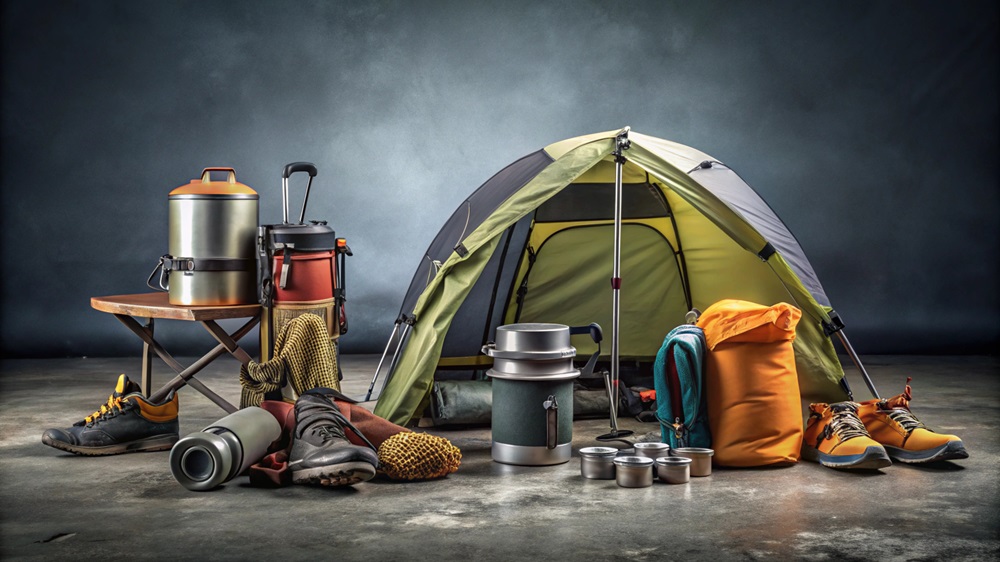
That camping equipment sale looks tempting. Tents marked down 60 percent. Sleeping bags half off.
But sometimes these deep discounts hide a truth retailers won’t tell you—the gear is being discontinued because better technology replaced it.
You need to know the difference between a bargain and buying yesterday’s tech that’ll frustrate you on the trail.
What Makes Camping Gear Become Obsolete?
Camping equipment doesn’t expire like food, but technology moves forward. Materials get lighter. Designs become more functional. Manufacturing processes improve. When companies develop better versions, they need to clear out the old inventory.
The outdoor industry typically releases new product lines in late winter or early spring. This timing aligns with when people start planning summer trips. Retailers then discount previous models heavily to make room for new stock.
But here’s what matters to you: some old models are just fine. Others have real flaws that the new version fixed. You need to know which is which before you buy.
How Do Material Improvements Signal Product Phase-Out?
Tent fabrics have changed dramatically in recent years. Older tents used polyester ripstop that weighed more and packed larger.
Modern tents use silicone-impregnated nylon or Dyneema composite fabrics that cut weight by 30 to 50 percent.
If you see a tent on deep discount, check what fabric it uses. Tents made with older polyurethane-coated materials often hit clearance when manufacturers switch to silicone coatings.
The difference matters because silicone coatings don’t degrade as fast and add less weight.
Sleeping bag insulation follows similar patterns. Synthetic fills have improved significantly. Down insulation now comes with hydrophobic treatments that weren’t available five years ago.
When you see older bags at 70 percent off, they likely use previous-generation fills that absorb moisture more easily.
Backpack suspension systems evolve too. Older external frame packs disappeared when internal frames got better.
Now, frameless ultralight packs are pushing out traditional internal frame designs for certain uses. Each shift creates clearance sales of the older technology.
What Do Warranty Changes Tell You?
Pay attention to warranty terms on sale items. Companies often reduce warranty coverage on discontinued products.
A tent that originally came with a lifetime warranty might only have a one-year warranty when it’s on clearance.
This happens because manufacturers don’t want to support old products indefinitely. They’ve moved their production, training, and parts inventory to new models. Supporting old gear becomes expensive and complicated.
Research from outdoor retail analysis shows that warranty claims increase by 40 percent on products in their final year of production.
Companies know this and adjust coverage accordingly. When you see shortened warranties on sale gear, it’s a red flag that the product line is ending.
How Does Feature Creep Indicate Obsolescence?
Camping gear follows a predictable pattern. First generation products are simple. Second generation adds features. Third generation refines those features. Fourth generation strips back to simplicity with better materials.
If you’re looking at gear loaded with features that seems over-engineered, it might be from that middle phase before companies figured out what actually mattered. These products often hit clearance when the refined version launches.
Camp stoves show this clearly. Early canister stoves were basic. Then came models with piezo igniters, pot supports, windscreens, and pressure regulators. Now the trend moves back to minimalist designs that work better with fewer parts to break.
| Product Category | Old Technology | Current Technology | Performance Gap |
| Tent Fabrics | PU-coated polyester | Silicone-treated nylon | 35% weight reduction |
| Sleeping Bag Fill | Standard down (550-650) | Hydrophobic down (800-900) | Better warmth + moisture resistance |
| Water Filters | Pump systems | Squeeze/gravity systems | 60% faster flow rate |
| Headlamps | Incandescent/basic LED | High-efficiency LED | 400% longer battery life |
What Happens When Safety Standards Change?
Sometimes gear gets discontinued because safety standards evolved. Climbing equipment faces this regularly, but it affects camping gear too.
Older camp stoves might not meet current emission standards. Tent flame-resistance requirements have tightened in some regions.
When safety standards change, retailers can’t sell old stock in certain markets. They dump it through clearance sales, often in markets with looser regulations.
You might get a deal, but you’re buying gear that didn’t meet newer safety benchmarks.
Water filters and purifiers see this issue frequently. The EPA and NSF update standards for what contaminants need to be removed. Older filters that met previous standards go on sale when they can’t claim compliance with new testing protocols.
How Can You Spot a Camping Equipment Sale That’s Actually Good?
Not all clearance sales mean obsolete technology. Sometimes companies discontinue perfectly good gear for business reasons. They changed their target market. They consolidated product lines. They lost a patent dispute.
Here’s how you can tell the difference: Check online forums and review sites. Look for the product name and “vs” plus the newer model.
Read what experienced users say about the differences. Often you’ll find comments like “the new version just has different colors” or “they added unnecessary features.”
Contact the manufacturer directly. Ask if replacement parts will remain available. Ask how long they’ll honor warranties. Companies that plan to support discontinued products will tell you. Those phasing out a technology completely will be vague.
Compare the sale price to the original retail price. Legitimate deals on quality gear rarely exceed 40 to 50 percent off unless there’s a specific reason like discontinued colors or minor cosmetic flaws. When you see 70 to 80 percent discounts, investigate deeper.

What Should You Actually Buy on Clearance?
Some camping gear ages well. Cast iron cookware doesn’t become obsolete. Basic camp chairs haven’t changed much. Coolers from five years ago work the same as new ones unless you need the latest insulation technology.
Simple mechanical items are usually safe clearance buys. Manual can openers, basic knives, standard tent stakes, and rope haven’t fundamentally changed. The materials might be slightly better in new versions, but the old versions still work fine.
Technical items need more scrutiny. Electronics, water treatment, insulation, and anything with moving parts can genuinely become outdated.
That amazing camping equipment sale on last year’s GPS unit might leave you with something that can’t update maps or connect to current satellites.
Frequently Asked Questions
Why is camping gear on deep clearance sales?
Answer: Gear is often discounted because newer technology replaced it. Materials, design, and manufacturing processes improve, so older products are phased out to make room for current models.
How can I tell if a discounted tent or sleeping bag is outdated?
Answer: Check the materials and insulation. Older tents use PU-coated polyester instead of silicone-treated nylon, and older sleeping bags may lack modern hydrophobic down or improved synthetic fills.
Do warranties change on clearance gear?
Answer: Yes. Discontinued items often have shorter warranties because manufacturers reduce support for old products. A shortened warranty can signal that the product line is being phased out.
Are highly discounted items always a bad buy?
Answer: Not necessarily. Some gear is discontinued for business reasons, not technology. Check reviews, compare to newer models, and contact manufacturers to ensure parts and support are available.
Which camping gear is safe to buy on clearance?
Answer: Simple, mechanical gear like knives, tent stakes, rope, and cast-iron cookware ages well and rarely changes. Technical items like electronics, insulation, water treatment systems, and stoves require careful evaluation.

