



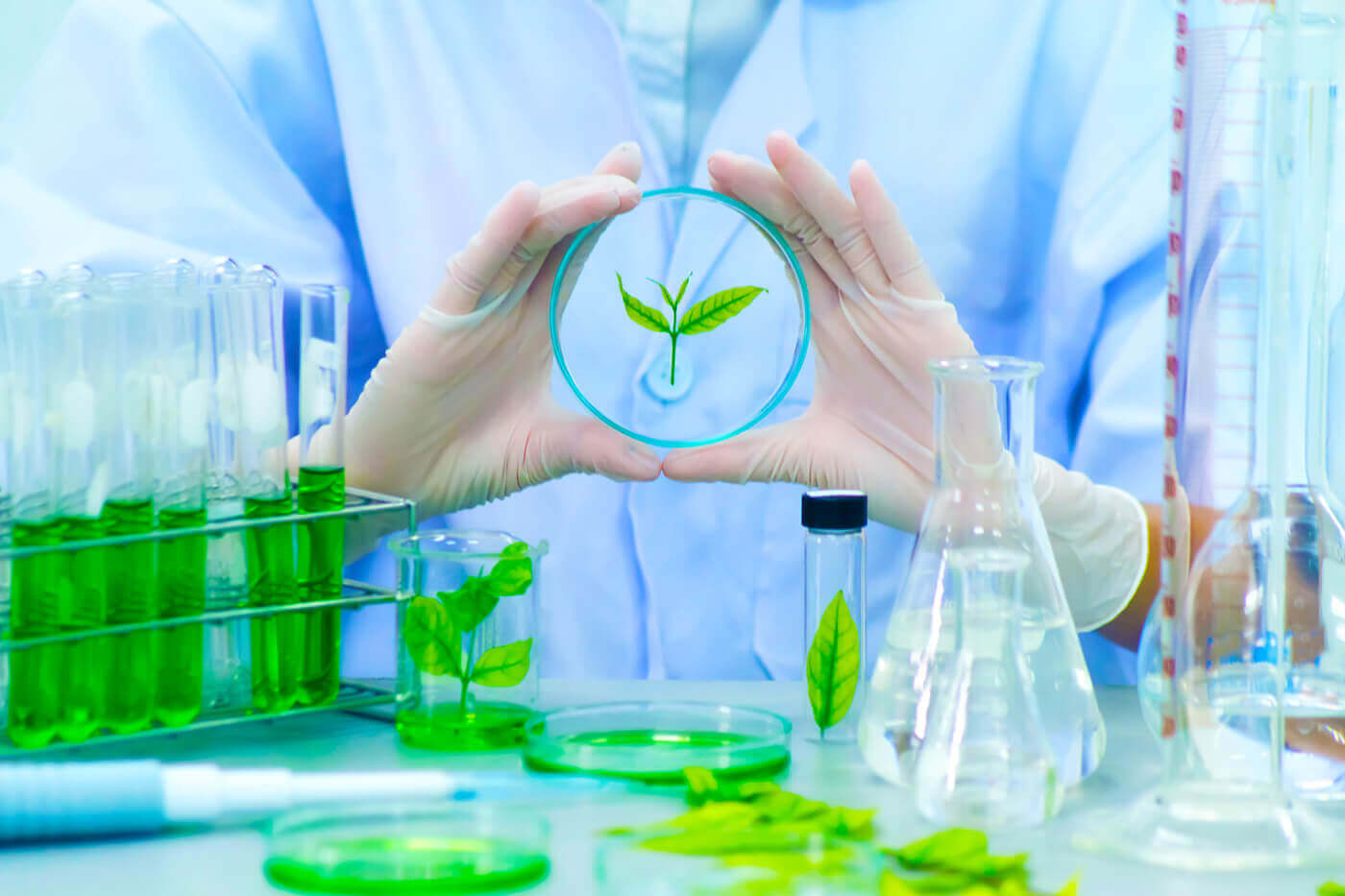
In an era of rapid technological expansion and heightened environmental awareness, the intersection of chemical innovation and environmental stewardship is more important than ever. Modern ecological challenges—ranging from industrial effluent contamination to climate change—demand scientific platforms that bridge fundamental chemical discoveries with practical, sustainable engineering solutions. The Research Journal of Chemistry and Environment, published by the World Research Association stands as a premier international scholarly venue dedicated to advancing knowledge across these critical disciplines.
As a monthly, peer-reviewed international scientific publication (ISSN: 0972-0626 / E-ISSN: 2278-4527), the Research Journal of Chemistry and Environment provides an open platform for high-impact research articles, comprehensive reviews, and technological innovations. By encouraging interdisciplinary dialogue between chemists, chemical engineers, eco-toxicologists, and environmental scientists, the journal empowers researchers, academicians, and scientific professionals worldwide to publish work that drives positive environmental change.
The Strategic Importance of the Research Journal of Chemistry and Environment
Chemical processes form the foundation of major global industries, including pharmaceuticals, materials synthesis, energy storage, and agriculture. However, managing chemical outputs is vital to preventing aquatic contamination, soil degradation, atmospheric pollution, and ecosystem loss. The Research Journal of Chemistry and Environment addresses this challenge by evaluating chemical research through an ecological lens.
Fostering Interdisciplinary Chemical and Environmental Solutions
Traditional scholarly channels often isolate pure chemistry from environmental studies. The Research Journal of Chemistry and Environment breaks down these academic silos by encouraging cross-disciplinary research. By evaluating novel chemical reactions alongside their ecological profiles, the journal accelerates the transition from laboratory discoveries to eco-friendly industrial applications. This integrated approach ensures that new chemical methodologies are assessed for synthesis efficiency as well as safety, toxicity profiles, and lifecycle sustainability.
Comprehensive Research Scope and Subject Areas
The Research Journal of Chemistry and Environment maintains a broad research scope designed to capture interdisciplinary developments across multiple scientific domains. Scholars and industrial practitioners are invited to submit original empirical studies, reviews, and short communications across several primary fields:
Pure, Applied, and Analytical Chemistry
- Analytical & Physical Chemistry: Advanced spectrometry, chromatography, trace analysis, reaction kinetics, surface phenomena, and sensor development.
- Organic, Inorganic & Medicinal Chemistry: Synthetic pathways, organometallic chemistry, drug discovery, bioactive compound extraction, and phytochemistry.
- Materials Science & Catalysis: Functional nanomaterials, green catalysts, polymers, smart coatings, and structural chemistry.
Environmental Science, Pollution Control, and Eco-Toxicology
- Water & Wastewater Treatment: Membrane separation, electrosorption, advanced oxidation processes (AOPs), low-cost adsorbents, and industrial effluent management.
- Air Quality & Remediation: Atmospheric chemistry, particulate matter monitoring, soil bioremediation, and industrial emission controls.
- Eco-Toxicology & Waste Valorization: Microplastics distribution, heavy metal toxicity assessments, bioaccumulation pathways, and industrial waste recycling within circular economy frameworks.
Sustainable Chemical Engineering and Energy Materials
- Green Chemistry Technologies: Atom-efficient synthesis, solvent-free reactions, process intensification, and green engineering design.
- Renewable Energy Systems: Photovoltaic materials, battery storage chemistry, hydrogen generation, and biofuel development.
Editorial Rigor, Peer Review, and Ethical Publishing Standards
Scientific authority and reproducibility form the foundation of the Research Journal of Chemistry and Environment. The journal enforces strict editorial policies to maintain research integrity and academic quality.

Double-Blind Peer Review
Every manuscript submitted to the Research Journal of Chemistry and Environment undergoes a double-blind peer-review evaluation. Independent international experts evaluate submissions based on original scientific contribution, methodological rigor, clarity, and practical relevance. This anonymized evaluation system guarantees objective and fair feedback for all authors.
Adherence to COPE Ethics Guidelines
Aligning with international publishing ethics set by the Committee on Publication Ethics (COPE), the journal enforces zero tolerance for academic misconduct:
- Anti-Plagiarism Screening: All manuscripts are screened using advanced text-analysis software prior to peer evaluation.
- Data Integrity & Reproducibility: Authors must provide explicit experimental procedures, characterization data (e.g., NMR, FTIR, XRD), and methodologies to ensure research reproducibility.
- Conflict Transparency: Authors, reviewers, and editors are required to declare any potential institutional, financial, or commercial conflicts of interest.
Author-Centric Submission and Publication Process
The Research Journal of Chemistry and Environment offers a streamlined digital submission workflow hosted on the official World Research Association portal:
- Manuscript Preparation: Authors format their work according to the journal’s guidelines, template, and reference style.
- Online Submission: Manuscripts are uploaded directly through the author submission portal.
- Editorial Screening: The editorial board conducts initial checks regarding scope fit, formatting, and plagiarism.
- Peer Review: Qualifying papers are assigned to domain experts for double-blind peer evaluation.
- Revision & Acceptance: Authors revise their manuscripts based on constructive reviewer feedback prior to final editorial decision-making.
- Monthly Release: Accepted papers receive professional copyediting, DOI assignment, and are published in the monthly issue.
Key Benefits for Contributing Authors
Publishing in the Research Journal of Chemistry and Environment offers distinct advantages for authors seeking to maximize the reach and impact of their work:
- Prompt Monthly Publication Cycle: Regular monthly releases minimize publication backlogs, helping authors establish priority for time-sensitive scientific discoveries.
- Broad Global Dissemination: Published articles reach an international audience of university researchers, industrial scientists, and policy experts.
- Enhanced Citation Potential: Inclusion in recognized scientific databases increases paper discoverability, driving higher citation metrics and author H-index growth.
- Actionable Reviewer Feedback: Authors receive detailed feedback from expert reviewers to refine their experimental presentations and interpretations.
Indexing Significance and Global Visibility
To ensure maximum discoverability, the Research Journal of Chemistry and Environment is indexed and abstracted in major scientific databases, including Scopus, UGC CARE, GEOBASE (Elsevier), and MIAR. Indexing in these major databases ensures that published articles are indexed in global scientific search engines, increasing institutional recognition and opening doors for international research collaborations.
Driving Real-World Chemical and Environmental Advancements
Research published in the Research Journal of Chemistry and Environment extends far beyond academic libraries. Discoveries featured in the journal regularly contribute to real-world technical and environmental solutions, including low-cost water desalination techniques, green catalyst adoption in pharmaceuticals, and municipal solid waste management frameworks. By connecting laboratory breakthroughs with practical applications, the journal actively supports global environmental sustainability goals.
Conclusion: Partner with the World Research Association
The Research Journal of Chemistry and Environment remains an essential platform for advancing scientific knowledge at the intersection of chemistry and environmental sustainability. Through its commitment to double-blind peer review, broad subject scope, monthly publishing schedule, and Scopus indexing, the journal provides an ideal venue for showcasing impactful scientific discoveries.
Explore the Journal Today: Researchers, academicians, and scientific professionals are invited to visit the official World Research Association portal to browse recent issues, review author submission guidelines, and submit their research manuscripts for peer review.
Frequently Asked Questions (FAQs)
Q1: What is the Research Journal of Chemistry and Environment?
A: The Research Journal of Chemistry and Environment is an international, peer-reviewed monthly scientific journal published by the World Research Association. It covers pure and applied chemistry, environmental science, chemical engineering, green technology, and eco-toxicology.
Q2: Is the Research Journal of Chemistry and Environment indexed in Scopus?
A: Yes, the Research Journal of Chemistry and Environment is indexed in Scopus, as well as other academic databases including UGC CARE, GEOBASE (Elsevier), and MIAR.
Q3: How often is the Research Journal of Chemistry and Environment published?
A: The journal operates on a monthly publication schedule, ensuring efficient editorial workflows and prompt publication of accepted research papers.
Q4: How can authors submit manuscripts to the Research Journal of Chemistry and Environment?
A: Authors can submit manuscripts online through the submission portal hosted on the World Research Association portal at https://www.worldsresearchassociation.com/.
Q5: What peer-review model does the Research Journal of Chemistry and Environment follow?
A: The journal utilizes a double-blind peer-review process, keeping both author and reviewer identities anonymous to ensure unbiased manuscript evaluations.
Q6: Does the Research Journal of Chemistry and Environment cover green chemistry and renewable energy?
A: Yes, the journal encourages submissions in green chemical synthesis, waste valorization, renewable energy materials, bio-remediation, and sustainable engineering technologies.

