



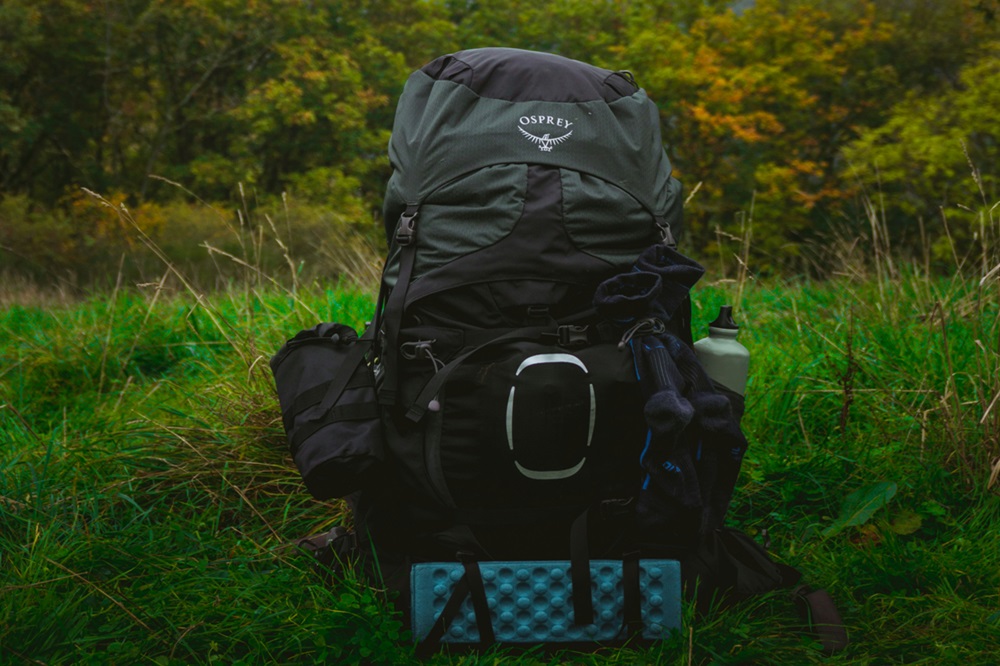
Buying second-hand gear is smart – but fitting it is a different story. A used osprey backpack or any pre-owned pack carries the memory of someone else’s body in every strap setting.
Studies on load carriage show that a poorly fitted pack increases spinal load by up to 34% compared to a properly adjusted one. Here’s how to make that harness yours.
Where Do You Even Start?
Reset everything first. Before you adjust anything to your body, undo all the straps completely – shoulder straps, hip belt, sternum strap, load lifters, everything. You want a clean slate.
The previous owner’s settings will pull you in the wrong direction if you try to adjust from where they left off.
A person who was six feet tall with a long torso and narrow hips will have set things in a way that actively fights a five-foot-four frame with a different hip structure.
Starting from zero takes two minutes and saves you a lot of frustration on the trail.
How Do You Measure Your Torso Correctly?
Your torso length – not your height – is what determines harness fit. Tilt your head forward and find the bony bump at the base of your neck. That’s your C7 vertebra, and it’s your starting point. Measure straight down your spine to the top of your hip bones, where your thumbs land when your hands are on your hips. That’s your torso length.
Most adult torsos fall between 16 and 21 inches. If your pack has an adjustable back panel or interchangeable harness system, set it to match your measurement before touching any other strap.
Getting the Hip Belt Right on a Used Pack
The hip belt does about 80% of the work carrying the pack’s weight – it transfers load from your shoulders to your hips, which are much better at handling it. Get this wrong and your shoulders take everything, which leads to neck and upper back pain within a few hours.
Centre the hip belt padding over your iliac crest – the top ridge of your hip bones. The buckle should sit roughly two to three inches in front of your hip bones when fastened. If the belt is sitting on your waist or lower on your thighs, your torso length setting is off.
On a used pack, the hip belt foam may be compressed from the previous owner’s use. If it feels thin or hard, that’s worth noting – compressed foam transfers less load and may mean the belt needs replacing. Some manufacturers offer replacement hip belts for popular pack models.
How Do Shoulder Straps and Load Lifters Actually Work?
Once your hip belt is set, pull the shoulder straps snug – but not tight. They should follow the curve of your shoulders without any gap at the top. If there’s a gap between the strap and your shoulder at the top, your torso length setting is too long.
Load lifter straps are the short straps that run from the top of the shoulder straps up to the top of the pack frame. Pull them until they sit at roughly a 45-degree angle. That angle keeps the pack close to your back and reduces forward pull. A common mistake is overtightening these – if they’re pulling at more than 45 degrees, the top of the pack is too far away from your back.
The sternum strap goes last. It should sit about an inch below your collarbone and be snug but not tight enough to restrict breathing.

FAQs
Can you fully refit a used backpack harness to a different body size?
In most cases, yes. Most modern packs have enough range in their straps to fit a wide variety of body sizes.
The main limitation is the back panel length – if your torso is significantly shorter or longer than the previous owner’s, a fixed back panel may not fit you correctly.
Packs with adjustable or interchangeable back systems handle size differences much better.
What if the hip belt foam feels flat or hard?
That means it’s compressed from extended use. Compressed foam reduces the pack’s ability to transfer load to your hips properly. You can sometimes replace just the hip belt on popular pack models – check the manufacturer’s website or contact their customer service. It’s worth doing if the rest of the pack is in good shape.
How do you know if the fit is actually right?
Load the pack with about 20 to 25 pounds and walk around for five minutes. The hip belt should carry most of the weight, your shoulders should feel lightly loaded, and the pack shouldn’t sway side to side. If your shoulders are taking most of the load or the pack pulls backward, something in the fit is off.
Does pack size matter if the straps are fully adjustable?
Yes, still matters. Strap adjustability compensates for some size difference, but the frame and back panel length need to roughly match your torso measurement. A pack designed for a large torso will position the hip belt too low on someone with a short torso, regardless of how the straps are set.
Is a used osprey backpack worth buying if the harness is worn?
Generally yes, as long as the frame and fabric are intact. Harness components like shoulder straps and hip belts are often replaceable on popular pack models. Worn straps affect comfort more than function, and replacement parts are usually available directly from the manufacturer – making a used osprey backpack a solid buy even with some harness wear.

