



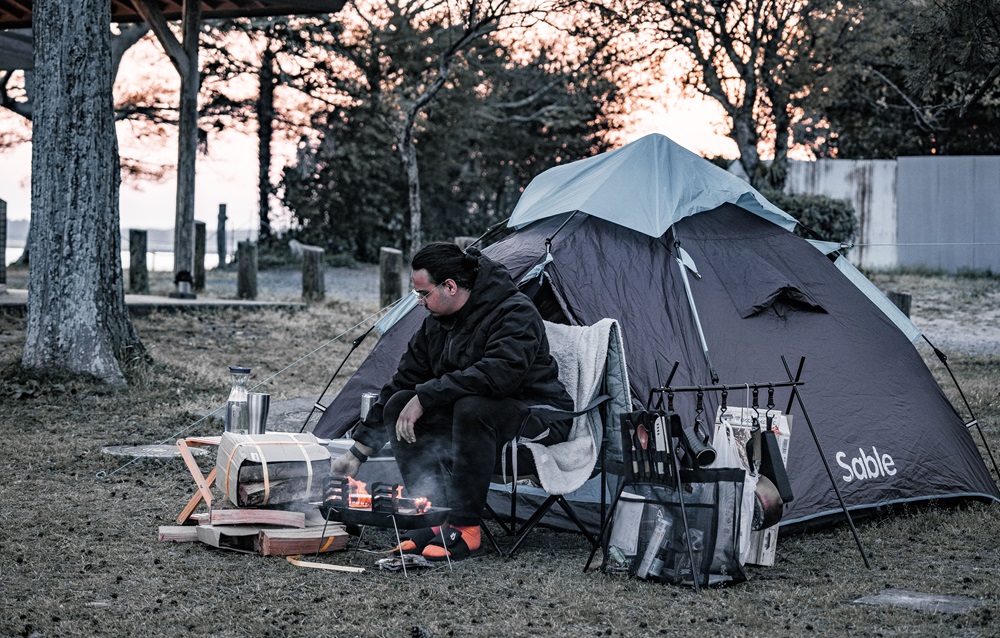
A full camping setup costs a lot when everything is new. That’s why many first time campers, families and weekend hikers look through camping gear for sale on resale sites, gear swaps and local listings.
The savings are real, but photos hide a lot. A peeling tent floor or a pad with a slow leak looks fine on a screen, and you only find out on the first cold night.
This guide walks you through what to ask and what to check on the 4 pieces most people buy used.
TL;DR for Inspecting Used Camping Gear
Here’s the short version before the details:
- Ask how old the item is and how it was stored.
- Check a tent’s floor, seams, poles and zippers.
- Squeeze a sleeping bag and watch how fast it recovers.
- Inflate a pad and leave it overnight.
- Light a stove to check for an even blue flame.
What to Ask the Seller First
A few questions save you a wasted trip. Sellers who know their gear usually answer them quickly.
Ask these before you agree to meet:
- Age and use: How many trips has it been on, and how long has the seller owned it?
- Storage: Was it kept dry and loose, or packed tight in a stuff sack for years?
- Repairs: Has it been patched, taped or waterproofed again?
- What’s included: Do you get all the poles, pegs, guy lines and bags?
- Returns: Can you send it back if something is wrong?
Used gear rarely comes with a manufacturer warranty. Any repair after the sale is your cost.
How to Inspect a Used Tent
A tent fails in the places you can’t see from a listing photo. Set it up if the seller allows it, and look closely at these parts:
- Floor and fly coating: A sticky surface or a chemical smell means the waterproof coating is breaking down.
- Seam tape: Press it with your thumb. Tape that lifts is close to the end of its life.
- Poles: Warped or cracked poles are a reason to walk away.
- Zippers: Run each one the full length a few times. They should move smoothly without snagging.
- Fabric: Hold it up to the light and look for tiny holes.
Count the parts too. A tent missing stakes or a pole section costs more to fix than it seems.
How to Check a Used Sleeping Bag
A sleeping bag sits against your skin, so cleanliness matters as much as warmth. Start with the fill.
For a down bag, squeeze it and let go. Healthy down springs back quickly, while flat, clumped fill has lost its loft.
For a synthetic bag, run your hands along the length and feel for thin spots. Those spots will be cold on the trail.
Also look for stains and smells. Ask how the bag was stored too. Long compression in a stuff sack can flatten the fill for good. You’ll want to wash any secondhand bag before you sleep in it.
How to Test a Used Sleeping Pad
Foam pads are the safer used buy. They can’t suddenly deflate, although they do lose thickness over time. Compare the height to a new pad of the same model.
Inflatable pads need a leak test. Fill the pad fully and leave it overnight. Even a small drop in firmness points to a puncture.
If the seller won’t let you test it, ask about the return policy before you pay.
How to Inspect a Used Camping Stove
A stove can be dangerous when it’s worn out, so don’t skip this check. Work through these steps:
- Threads: The fuel canister should spin on and off smoothly.
- O-rings: Look for cracks in the rubber seals.
- Valve: Turn it through its full range. A stiff valve can mean residue or corrosion.
- Flame: Light it and look for an even blue flame.
- Smell and rust: Walk away if you smell gas or see pitted corrosion near the welds.
Gear You Shouldn’t Buy Used
Some items have a hidden history you can’t check. Climbing safety equipment is the clearest example, so buy it new.
If you’re unsure about an item, borrowing or renting it first is a low cost way to learn what you like.
Where to Find Used Camping Gear Worth Buying
Look for sellers who describe condition clearly and show close photos. A return window matters more than a low price.
Resale marketplaces like Geartrade list used and new outdoor gear side by side, which makes it easier to compare condition and price. Local gear swaps work well too, because you can handle the item before you pay.

FAQ
Here are some questions buyers often ask after the basics:
Is Buying Used Camping Gear Worth It?
Yes, if you inspect it first. Tents, foam pads and stoves are good used buys when they pass the checks above.
Can You Wash a Used Sleeping Bag?
Yes, you should. Follow the care label, because down and synthetic bags need different washing methods.
How Do You Test a Used Tent for Leaks?
Set it up at home and spray it with a garden hose. Then check the inside for damp spots along the seams and floor.
Should You Try Used Gear Before a Big Trip?
Yes. Test it in mild weather close to home so any problem shows up before you’re far from help.
What Should You Ask If the Seller Can’t Show the Gear in Person?
Ask for close photos of seams, zippers and coatings. And confirm the return policy before you pay.
Final Thoughts
Used camping gear can cut your costs a lot. The key is to look past the photos and test the parts that fail first.
Check the seams, loft, pad and stove. Ask about storage too. Do that, and you’ll end up with gear that holds up on the trail.

